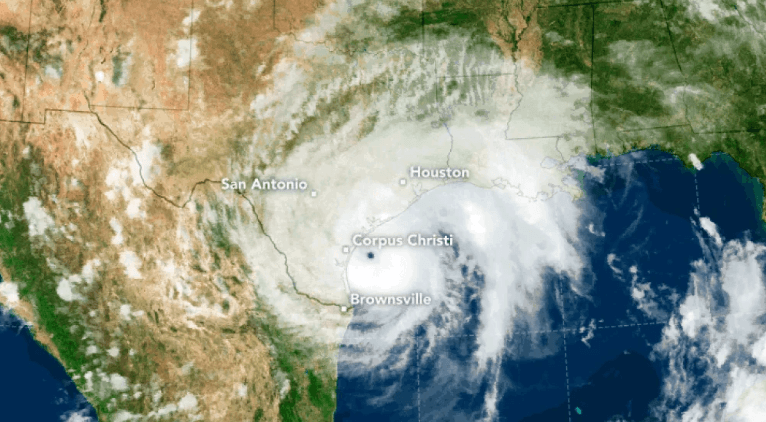
If you own a rental property anywhere in the greater Houston area — from Kingwood and Humble down to League City, Missouri City, and the coastal stretches — hurricane season is not optional reading. The Atlantic hurricane season officially runs from June 1 through November 30, with peak activity for the Texas Gulf Coast falling in mid-August through late September.
Harvey, Ike, Beryl, and a long list of named storms have made one thing clear: the landlords who prep early are the ones who keep their tenants safe, their properties intact, and their insurance claims clean. The ones who don't end up making frantic phone calls when every contractor in the region is booked solid.
Here's the playbook we use to get our managed properties ready — and what we recommend every Houston-area owner do before the next storm shows up on the radar.
Start With Your Flood Risk
Before you fix a single shutter, know what you're actually protecting against. FEMA's Flood Map Service Center lets you pull the official flood zone designation for any address in the country. If your property sits in an A or V zone, flood insurance isn't optional — and even if you're in an X zone, Harvey reminded everyone that "500-year" flood maps are only as good as the last decade of data.
Action items:
- Pull your property's current FEMA flood map and save it with your insurance docs
- Confirm your flood policy is active and the coverage limits actually match replacement cost
- If you're in a high-risk zone, document the property's pre-season condition with date-stamped photos
Pre-Season Property Inspection
A proper hurricane prep inspection covers the building envelope, drainage, and anything that can become a projectile. We recommend walking every managed property in late May, before the season opens.
Roof and envelope:
- Check for loose, missing, or lifted shingles
- Inspect flashing around vents, chimneys, and skylights
- Look for soft spots, sagging, or visible daylight in attic spaces
- Confirm soffits and fascia are securely attached
Drainage and grading:
- Clear gutters and downspouts completely
- Verify downspout extensions direct water at least 5 feet from the foundation
- Check that yard grading still slopes away from the slab
- Inspect French drains, area drains, and any sump pumps
Windows and doors:
- Test every window for a tight seal
- Confirm exterior doors latch and weatherstrip properly
- If the property has storm shutters, test them now — not the day before landfall
Yard and exterior:
- Trim trees back from the roof and power lines (the Texas Division of Emergency Management specifically calls out tree maintenance as a top pre-season priority)
- Identify anything that could become a projectile: patio furniture, grills, planters, trash cans, decorative items
- Document the location of utility shutoffs (gas, water, electrical) and make sure they're accessible
Get Your Tenants on the Same Page
A landlord can do everything right and still end up with a damaged property if tenants don't know what to do. Send a written hurricane preparedness notice to every tenant by June 1. Cover:
- Where the water, gas, and electrical shutoffs are located
- What the tenant is responsible for securing (outdoor furniture, grills, personal items)
- Your emergency contact number and after-hours protocol
- A reminder that renters insurance is the tenant's responsibility, not the landlord's
- Evacuation guidance — point them to the Ready.gov hurricane page and local county emergency management resources
Document that you sent it. If a claim or dispute comes up later, having written evidence that you communicated emergency procedures matters.
Build Your Vendor Bench Before You Need It
The single biggest mistake Houston landlords make is waiting until after a storm to figure out who's going to clean up. Every roofer, water mitigation crew, and tree service in the metro is booked solid within hours of landfall — and the ones who do answer the phone are often out-of-state storm chasers with no track record and no local license.
This is where having the right relationships in place changes everything. Our sister company, MSM Services Texas, handles emergency post-storm response for our managed properties — water extraction, debris removal, board-ups, tarp installs, and the deep cleaning that has to happen before tenants can move back in. Because they're on call for our portfolio, they're not scrambling to find us when the lines go down.
If you don't have a property manager, build your own bench now: a licensed roofer, a water mitigation company, a tree service, and a general contractor — all local, all vetted, all on speed dial before June 1.
Insurance and Documentation
Two things to do before the season opens, both of which take less than an afternoon:
- Photo and video walkthrough. Shoot every room, every exterior elevation, the roof (from the ground or via drone), and the major mechanical systems. Save it to cloud storage with the date stamp intact. This is the difference between a smooth claim and a six-month adjuster fight.
- Policy review. Call your insurance agent and confirm your wind/hail deductible, your flood policy (separate from your homeowner's policy in almost every case), and your coverage for loss of rental income. The National Flood Insurance Program has a 30-day waiting period — so if you're not covered today, you're not getting covered before the next storm.
What to Do When a Storm Is Actually in the Gulf
Once the National Hurricane Center puts a system in the Gulf with a track that includes Texas, you have roughly 72–96 hours to execute. Here's the short list:
- Notify tenants in writing with your storm protocol and emergency contacts
- Secure or remove all loose exterior items
- Top off any fuel tanks (generators, vehicles)
- Photograph the property's pre-storm condition one more time
- Confirm vendors are on standby
- If evacuation orders are issued, communicate them to tenants and document that you did
After the Storm
The first 48 hours after a storm are when the most expensive mistakes happen. Don't let tenants re-enter until the property is confirmed safe (gas leaks, structural damage, electrical hazards). Get a water mitigation crew on-site within 24–48 hours of any water intrusion — mold starts within 72 hours, and a delayed response turns a $5,000 dry-out into a $40,000 remediation job.
Document everything: every phone call, every photo, every invoice. Your insurance carrier will want it, and the IRS will want it if you end up filing a casualty loss.
How Olivewood and MSM Services Texas Work Together
This is where having a property manager with an integrated maintenance and disaster response operation matters. Olivewood Management handles the lease, the tenant communication, the documentation, and the insurance coordination. MSM Services Texas — our sister company — handles the physical response: water extraction, debris removal, tarp and board-up, deep cleaning, and the make-ready work that has to happen before tenants can come home.
Owners in our portfolio don't have to figure out who to call after a storm. The phones get answered, the crews show up, and the property gets back online while their neighbors are still on hold with out-of-state contractors.
Hurricane season is the one time of year where the difference between a good property manager and a bad one becomes immediately, painfully obvious. If you're a Houston-area landlord who's been managing on your own — or working with a manager who disappears when the wind picks up — now is the time to make a change. Not in August.
Schedule a free consultation with our team before June 1, and we'll walk your property, build your hurricane prep checklist, and connect you with MSM Services Texas for any pre-season work that needs to happen. When the next storm comes, you'll be the landlord whose tenants are taken care of — not the one making panicked phone calls at midnight.
Ready to talk about your property?
Schedule a consultation with the Olivewood team — we'll come prepared.
Schedule a ConsultationRelated Reading

What a Vacant Suite Actually Costs: Tenant Turnover Math for Houston Commercial Owners
How to Evaluate a Commercial Property Management Company in Houston